What if our cities were designed for wildlife as well as people?
On a warm evening swifts scream over rooftops, chasing insects above the traffic. A fox slips along a garden wall while gulls squabble on a supermarket roof. We tend to treat these animals as visitors. But they’re residents too, living alongside us in places designed for people.
This needs to change. Instead of asking how nature can make cities better for humans, urban planners should consider what cities owe the many species that already live in them.
More than half the world’s population now lives in urban areas, while cities continue to expand into wildlife habitats.
The new research compared approaches to incorporating nature into urban planning, including environmental offsetting, sustainable development and nature-based solutions such as green roofs, street trees and wetlands. It also examined cases where governments and courts have given species and ecosystems a different status in decision-making.
Bottom of Form
The pattern found was striking. These approaches have become increasingly good at showing how nature benefits people, but much less willing to ask whether other species have interests of their own.
Trees are planted because they cool streets. Wetlands are protected because they can hold floodwater. Parks are funded because they improve our health.
All of those benefits are important. But they can also leave nature looking like a service provider for people. If a tree no longer provides enough shade, or a wetland becomes more valuable as development land, what happens to the argument for protecting it?
This is where the idea of “multispecies justice comes in. It starts from a different premise, where animals, plants and ecosystems are not simply amenities that provide benefits to people. They are co-inhabitants of places we share.
That changes the question urban planning asks. Instead of only considering what nature can do for us, it asks what responsibilities we have towards the species with which we live.
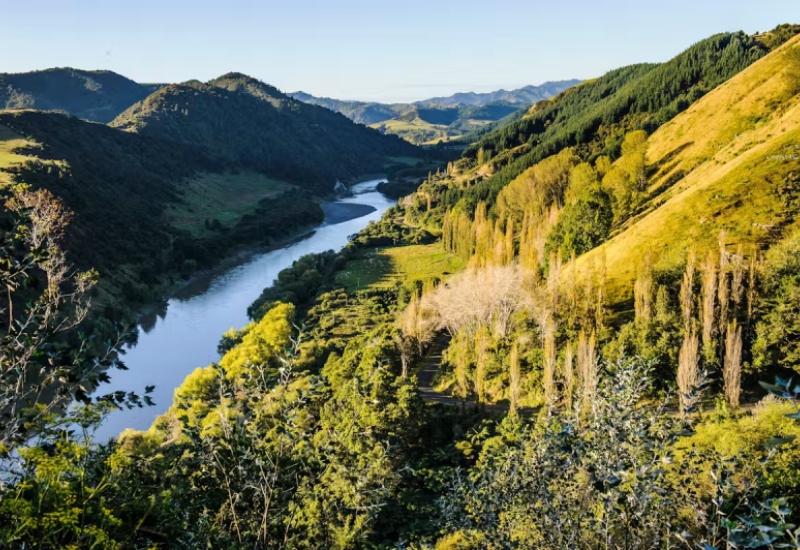
They also illustrate a different way of thinking. Nature doesn’t have to justify its existence solely through the benefits it provides to people.
The idea is beginning to appear in more conventional urban planning. Cities are already shared habitats. The birds nesting in our roofs, the insects in our gardens, the bats above our streets and the organisms in our soils are not simply passing through. They are part of urban life.
The challenge for planners is to decide whether they’ll continue to design cities primarily around human needs, adding nature where it provides a benefit, or begin to treat the flourishing of other species as a legitimate consideration in its own right.
Source: The Conversation
Image: Robert Harding