There’s a new acid in our rain — should we be worried?
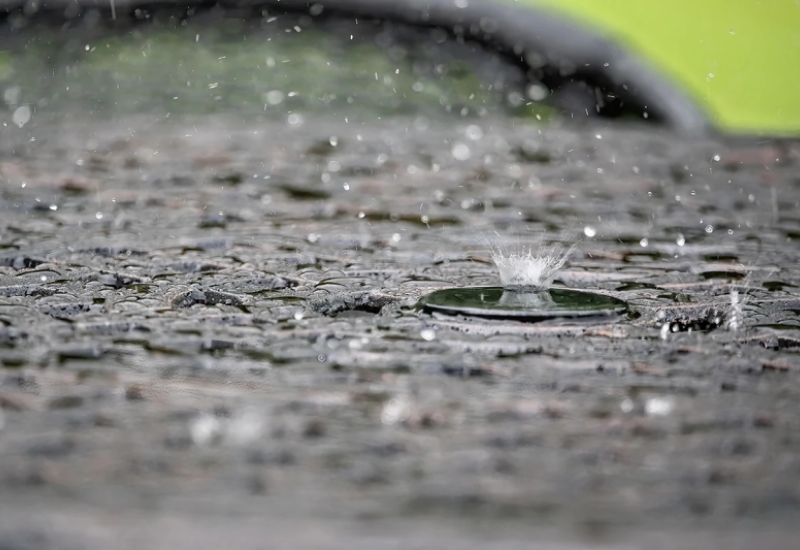
Whenever rain or snow falls from the skies, a human-made chemical called trifluoroacetic acid (TFA) falls with it. Across the world, this chemical has shown up in lakes and rivers; bottled water and beer; cereal crops and animal livers; and even in human blood and urine1. And wherever researchers measure changes in TFA levels, they find that concentrations are rising.
Over the past four decades, TFA levels have risen five- to ten-fold in the leaves and needles of tree species in Germany. Researchers have also documented rising levels of TFA in Canadian Arctic ice cores, and in groundwater in Denmark.
TFA accumulates partly because natural processes can’t break its strong carbon–fluorine bonds. By some definitions, TFA is the smallest example of per- and poly-fluoroalkyl substances (PFASs), which persist for so long that scientists have termed them forever chemicals.
Some PFASs are already linked to higher risks of health harms and are banned internationally. Many countries are restricting the levels of certain PFASs in drinking water.
But the health impacts of TFA are less clear. The few animal studies that exist suggest that current levels are thousands of times lower than those shown to exert biological effects. The United Nations Environment Programme (UNEP), which has been assessing the risks of TFA since 1998, says it considers the chemical to pose minimal risk for now, and at least until 2100 – although UN member states last year asked it to re-evaluate its assessment.
Source: Nature
Image: Ali Majdfar/Getty