Carbon dioxide can turn to sugar, offering solution to global problems
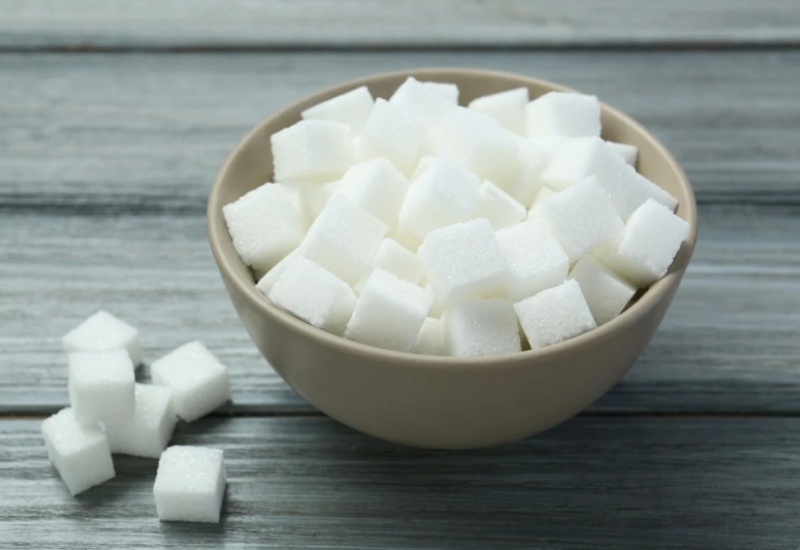
Chinese researchers have developed a groundbreaking method to convert methanol into white sugar – commonly known as sucrose – without using farmland or crops. This method could one day help turn captured carbon dioxide into food.
The new biotransformation system doesn’t rely on sugar cane or sugar beet cultivation. Both of these crops require huge amounts of land and water. Instead, the researchers used enzymes to turn methanol, which can be made from industrial waste or by chemically treating carbon dioxide, into complex sugars.
“Artificial conversion of carbon dioxide into food and chemicals offers a promising strategy to address both environmental and population-related challenges while contributing to carbon neutrality,” the scientists wrote.
This system not only produces sucrose but can also be adjusted to create other important carbohydrates such as fructose and starch. These developments mark a major step in producing food directly from chemicals, bypassing traditional agriculture.
The study was led by a team from the Tianjin Institute of Industrial Biotechnology, part of the Chinese Academy of Sciences (CAS). They used what’s known as in vitro biotransformation (ivBT), which is a method that builds useful molecules outside of living organisms using enzymes.
In 2021, another research team from the Dalian Institute of Chemical Physics (also under CAS) created a low-temperature method to turn CO₂ into methanol. This opened the door for carbon waste to become a raw ingredient in making valuable chemicals like sugars.
Building on that breakthrough, the Tianjin researchers developed a high-efficiency pathway to convert methanol into sugars using a series of fast, low-energy chemical reactions. They achieved an impressive conversion rate of 86 percent.
Source: South China Morning Post
Image: Shutterstock Images