A pollution paradox: Wildfires in the western United States may improve air quality
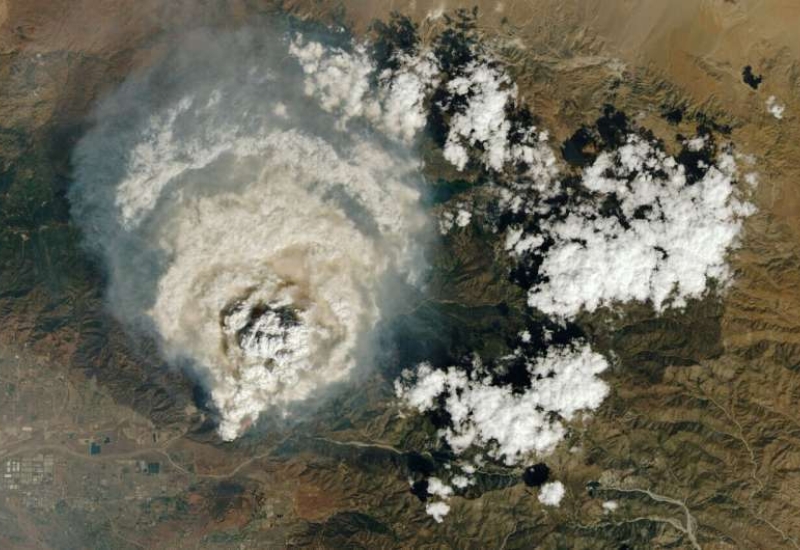
Climate change is driving more frequent and more intense wildfires around the world, including in the United States. These huge blazes cause a range of problems that affect health, the environment, property and the economy. However, a new study reveals a surprising paradox: the heat from wildfires in the western U.S. may actually improve air quality in the eastern part of the country.
Smoke and fine particles (known as PM2.5) from wildfires can travel hundreds or thousands of miles, posing severe health risks, such as respiratory and cardiovascular problems. Smoke from western U.S. fires is thought to contribute to hundreds of thousands of premature deaths in the eastern U.S. every year.
However, researchers found that the intense heat they create can change weather patterns, which in turn reduces air pollution.
According to the study, heat rising from wildfires in the western U.S. creates updrafts that excite waves in the jet stream, the narrow band of fast-flowing currents high up in the atmosphere. These waves weaken the normal flow of cool, moist air from the west, which pulls in winds from the east that bring moisture from the Atlantic Ocean. This causes more rainfall on the East Coast, which effectively washes away the pollution.
The scientists reached this conclusion by analyzing real-world air-quality data from 2005 to 2015 and running detailed climate models to see how the atmosphere would react to certain conditions. They also separated the effects of wildfire smoke and fire heat to see how each one changed weather patterns. This allowed them to see the surprising role of heat in cleaning the air.
The discovery of this beneficial effect is important because, according to the researchers, most climate models only consider smoke and not heat. As a result, this omission leads to a significant overestimation of the negative consequences of wildfires.
Source: Science
Image: NASA Earth Observatory image by Lauren Dauphin (U.S. Geological Survey)