Beavers are turning rivers into powerful carbon sinks
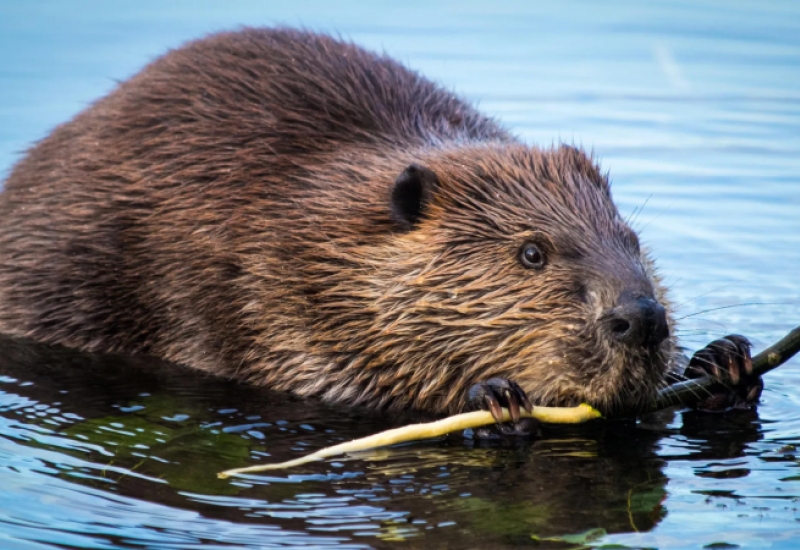
The study is the first to measure both the carbon dioxide (CO2) released and captured as a result of beaver activity in wetland environments. Researchers from the University of Birmingham, Wageningen University, the University of Bern, and several international collaborators conducted the work in a stream corridor in northern Switzerland, where beavers have been active for more than a decade.
The results show that wetlands shaped by beavers can store carbon at rates up to ten times higher than similar areas without their presence. Over 13 years, the site accumulated about 1,194 tonnes of carbon, which equals 10.1 tonnes of CO2 per hectare each year.
The findings show that beavers don't just change landscapes: they fundamentally shift how CO2 moves through them. By slowing water, trapping sediments, and expanding wetlands, they turn streams into powerful carbon sinks. This first-of-its-kind study represents an important opportunity and breakthrough for future nature-based climate solutions across Europe.
Beavers are returning to rivers and natural habitats across Europe after years of conservation efforts. This comeback is revealing how strongly they influence carbon movement, especially in headwater streams, which are the small upper sections where rivers begin.
As beavers build dams, they flood nearby land, form wetlands, redirect groundwater flow, and capture both organic and inorganic materials, including CO2. These changes significantly alter how carbon is stored and circulated in these ecosystems.
The findings suggest that expanding beaver populations in suitable wetland regions could provide substantial climate benefits by increasing the amount of carbon captured and stored, while limiting its release back into the atmosphere.
Source: Nature
Image: Shutterstock/Science Daily